

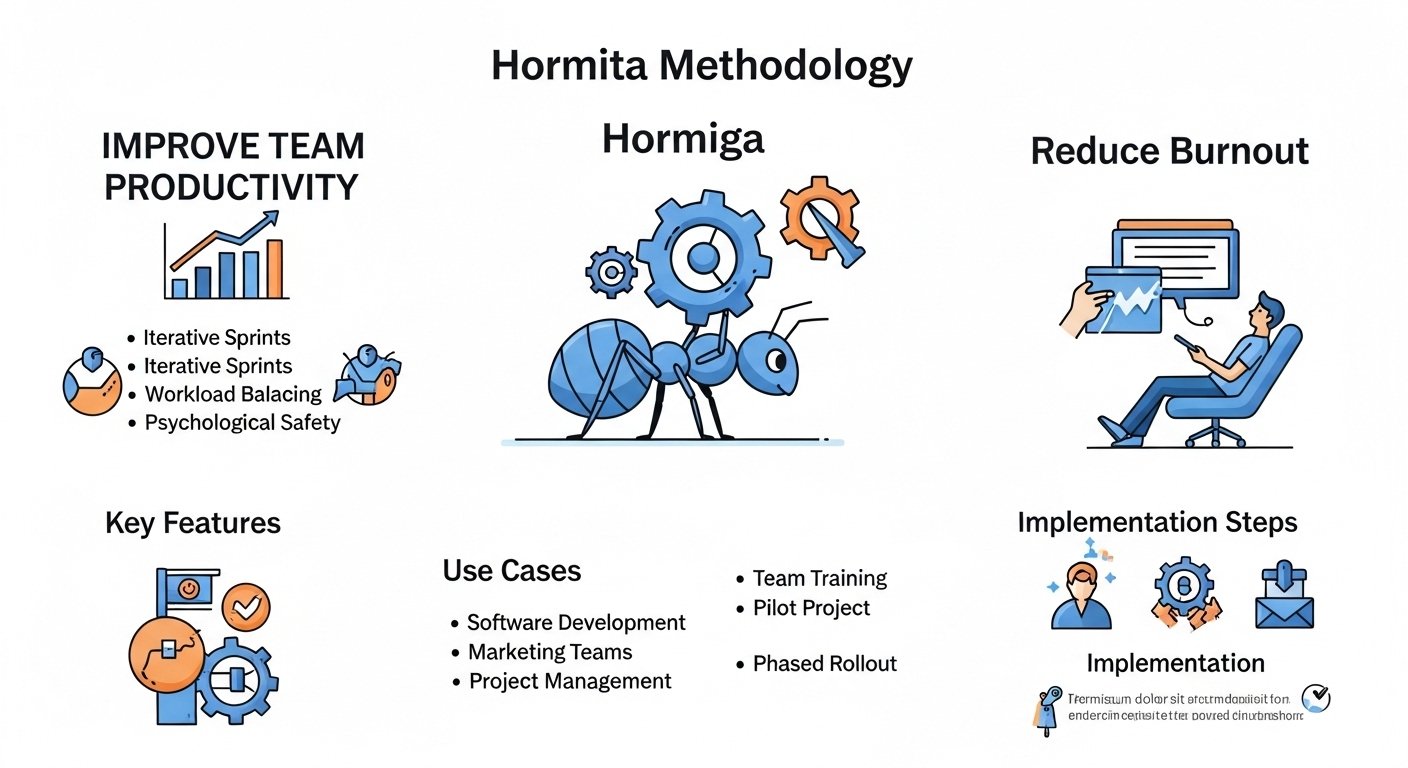
The Hormita methodology is a structured organizational framework designed to enhance team productivity through incremental, continuous progress and decentralized collaboration. Inspired by the efficiency of natural ecosystems, the Hormita framework helps businesses break down complex projects into highly manageable micro-tasks, ensuring steady momentum, reducing employee burnout, and improving overall project delivery rates.
The modern workplace requires systems that prioritize both high output and sustainable work practices. Many traditional project management frameworks rely on rigid top-down structures that can stifle creativity and slow down execution. The Hormita methodology offers a different approach. By focusing on distributed responsibilities and micro-tasking, this framework allows large teams to operate with remarkable agility.
Organizations adopting the Hormita methodology report better alignment across departments and a significant reduction in project bottlenecks. This comprehensive guide explores the origins, key features, and practical applications of the Hormita framework, providing business leaders with the knowledge needed to implement this system effectively.
What is the history and origin of the Hormita framework?
The Hormita framework originated in the early 2010s as a response to the growing complexity of globalized software development. The term “Hormita” derives from the Spanish word for “little ant,” symbolizing the methodology’s core philosophy: massive achievements are the result of small, highly coordinated, and continuous efforts.
Early pioneers of the Hormita methodology sought to solve the common problem of project paralysis. Large initiatives often stall because team members become overwhelmed by the macro-level objectives. To combat this, organizational behaviorists developed the Hormita framework to enforce the strict breakdown of deliverables. Instead of focusing on quarterly milestones, the Hormita methodology requires teams to focus on daily, highly specific outputs.
The formalization of the Hormita framework occurred when remote work started gaining significant traction. Distributed teams needed a decentralized way to maintain momentum without constant managerial oversight. The Hormita methodology provided the perfect solution by empowering individual contributors to claim micro-tasks autonomously while maintaining alignment with the broader project ecosystem.
What are the key features and characteristics of Hormita?
The Hormita methodology relies on several distinct characteristics that separate it from traditional agile or waterfall project management systems.
Decentralized Micro-Tasking
The primary feature of the Hormita framework is decentralized micro-tasking. Project managers divide large deliverables into tasks that take no longer than two hours to complete. Individual contributors then select these tasks from a shared repository based on their current capacity and skill set. This characteristic ensures that work flows continuously and prevents bottlenecks associated with waiting for specific personnel to become available.
Asynchronous Alignment
The Hormita framework strongly favors asynchronous communication over real-time meetings. Teams document all progress, roadblocks, and handoffs within a centralized tracking system. This characteristic allows global teams across different time zones to collaborate seamlessly without the scheduling conflicts that typically delay international projects.
Adaptive Resource Allocation
Resource allocation within the Hormita methodology is highly fluid. Because tasks are broken down into granular units, team members can easily shift between different projects based on immediate priority. The Hormita framework enables organizations to direct human capital toward urgent deliverables without disrupting the overall workflow of other ongoing initiatives.
Why is the Hormita methodology important for teams?
The Hormita methodology is important because it directly addresses the root causes of employee burnout and project failure. By enforcing a hyper-granular approach to project management, the Hormita framework creates a sustainable pace of work for all team members.
First, the Hormita methodology improves psychological safety and morale. Large, ambiguous deadlines often create anxiety. Breaking these deadlines down into two-hour micro-tasks gives employees a frequent sense of accomplishment. This continuous stream of small victories maintains high motivation levels throughout the duration of long-term projects.
Second, the Hormita framework significantly enhances risk mitigation. When projects are divided into micro-tasks, managers can identify delays or quality issues within hours rather than weeks. The Hormita methodology provides leadership with real-time visibility into project health, allowing them to intervene and course-correct long before a minor issue becomes a critical failure.
Choose the Hormita methodology if your organization struggles with scope creep, low morale, or cross-departmental silos. It is particularly effective for teams that need to maintain high output without sacrificing work-life balance.
What are the common use cases and applications for Hormita?
Organizations across various industries use the Hormita framework to streamline complex, multi-phase operations.
How is Hormita used in software development?
Software engineering teams apply the Hormita methodology to manage continuous integration and deployment pipelines. Developers break feature requests into micro-components, allowing multiple engineers to code, test, and deploy small updates simultaneously. This application reduces merge conflicts and accelerates the release cycle for new software products.
How does Hormita improve content marketing?
Marketing departments use the Hormita framework to execute large-scale content campaigns. A single pillar article is divided into distinct micro-tasks: keyword research, outlining, drafting individual sections, editing, graphic design, and publishing. Different specialists handle each micro-task, ensuring high-quality output and a steady publishing cadence.
How can customer support teams leverage Hormita?
Customer success and support teams implement the Hormita methodology to manage high volumes of client inquiries. Support tickets are categorized into micro-tasks based on complexity. Tier 1 agents handle rapid resolutions, while complex issues are instantly routed to specialized technicians. This application ensures faster response times and higher customer satisfaction rates.
What challenges should organizations consider when adopting Hormita?
Adopting the Hormita methodology presents specific operational challenges that leadership teams must carefully manage during the transition phase.
The most prominent challenge is the initial administrative overhead. Breaking down a massive project into hundreds of micro-tasks requires significant upfront planning. Project managers must accurately define the scope and requirements of each micro-task so that individual contributors can complete them independently. If the initial breakdown is flawed, the entire Hormita framework becomes inefficient.
Another challenge is the reliance on robust documentation. The Hormita methodology depends entirely on written, asynchronous communication. Organizations that have a culture of oral communication and informal decision-making will struggle to adapt. Teams must invest in specialized project management software and commit to rigorous documentation standards to make the Hormita framework successful.
What is the future outlook for the Hormita methodology?
The future outlook for the Hormita methodology involves deep integration with artificial intelligence and automation tools. As businesses continue to scale their digital operations, the Hormita framework will evolve to become more predictive and adaptive.
Artificial intelligence will soon automate the most labor-intensive aspect of the Hormita methodology: task breakdown. AI-driven project management platforms will analyze historical data to automatically divide large objectives into optimized micro-tasks. These systems will then dynamically assign tasks to team members based on their real-time bandwidth, past performance, and specific skill sets.
Furthermore, the Hormita framework will likely become the standard operating model for decentralized autonomous organizations (DAOs) and gig-economy platforms. By providing a standardized structure for micro-tasking, the Hormita methodology will enable temporary, globally distributed teams to execute complex projects with the same efficiency as traditional, centralized corporations.
Next steps for implementing the Hormita framework
Transitioning to the Hormita methodology requires deliberate planning and clear communication. To begin implementing the Hormita framework within your organization, start by selecting a single, low-risk project for a pilot program. Train your project managers on how to effectively break down deliverables into two-hour micro-tasks.
Establish clear documentation protocols and select a centralized project management tool that supports asynchronous communication. Monitor the pilot program closely, gather feedback from the team, and refine your processes before rolling out the Hormita methodology to the wider organization.
Frequently Asked Questions about Hormita
What is the main difference between Hormita and Agile?
The main difference is the scale of task division and task assignment. While Agile focuses on two-week sprints and assigned user stories, the Hormita methodology breaks work into two-hour micro-tasks that contributors pull from a decentralized repository based on their immediate capacity.
How much does it cost to implement the Hormita methodology?
Implementing the Hormita methodology generally only costs the price of your chosen project management software and the time required for staff training. Most organizations can execute the Hormita framework using their existing tech stack, making the financial barrier to entry very low.
Who is the Hormita framework best suited for?
The Hormita framework is best suited for remote, globally distributed teams that require asynchronous communication to function effectively. It is highly recommended for software development, digital marketing, and data processing departments.
Can small businesses use the Hormita methodology?
Yes, small businesses can effectively use the Hormita methodology to maximize their limited resources. By breaking work into micro-tasks, small teams can maintain steady progress on long-term growth initiatives while simultaneously managing daily operational requirements.