

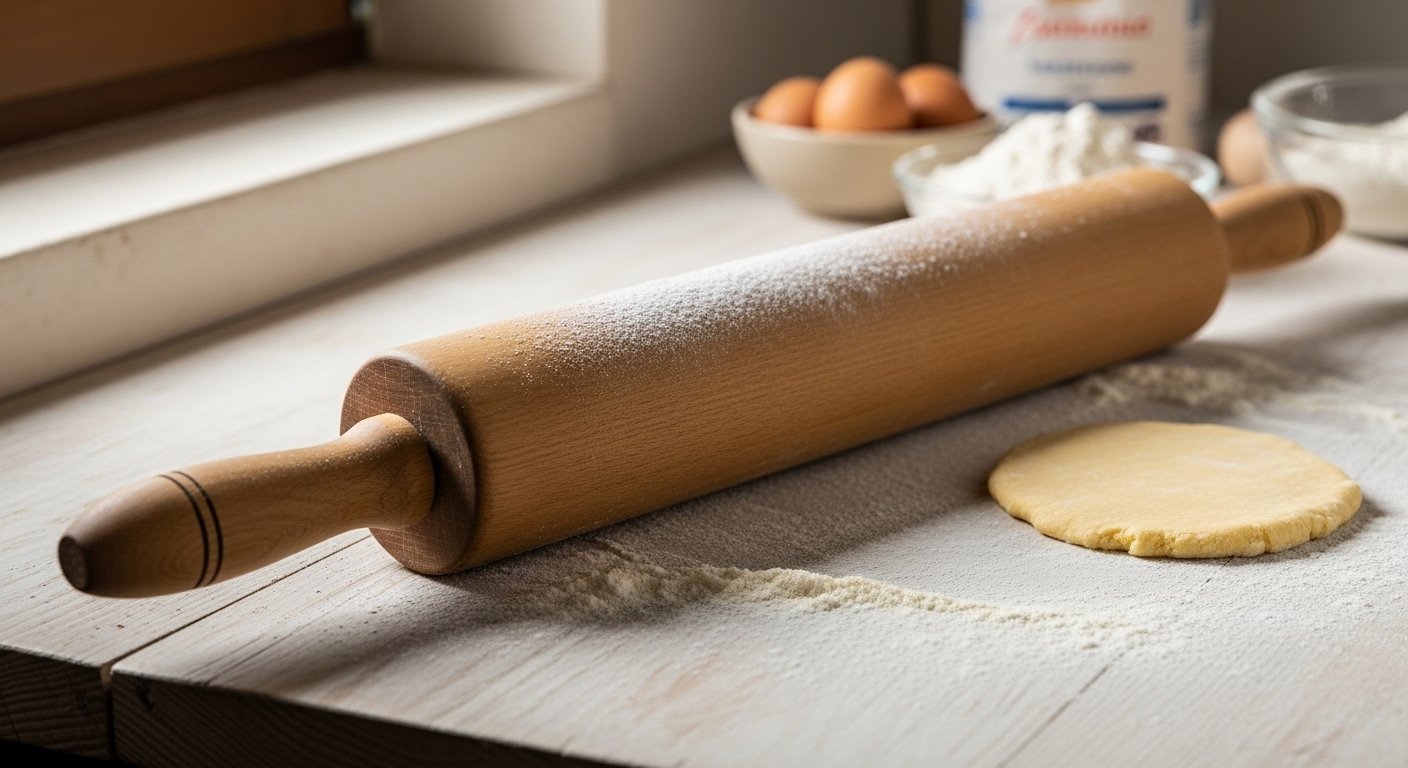
A levapioli is a traditional Italian pasta-making tool used to lift, seal, and portion stuffed pastas like ravioli and agnolotti. Using a levapioli ensures airtight pasta seals, prevents filling leaks during the boiling process, and speeds up preparation time for both home cooks and professional chefs.
Creating the perfect stuffed pasta requires precision, patience, and the right equipment. Many cooks spend hours preparing delicate fillings and rolling dough, only to watch their ravioli burst open in the boiling water. This frustrating scenario happens when the dough edges lack a proper, uniform seal.
The levapioli solves this exact problem. This specialized pasta-making tool presses the dough layers together while simultaneously cutting and lifting the individual pieces. Mastering the levapioli transforms a tedious manual task into a highly efficient process, yielding professional-quality results right in your home kitchen.
By understanding the mechanics, variations, and proper maintenance of the levapioli, culinary enthusiasts can elevate their cooking techniques and produce flawless dishes every single time.
What exactly is a levapioli?
A levapioli is a hand-held pasta-making tool featuring a carved or molded base attached to a vertical handle. The base contains small ridges or pins that press down on two sheets of pasta dough, crimping the edges around a pocket of filling. This mechanism forces air out of the pasta pocket and bonds the dough securely.
Historically, the levapioli originated in the Emilia-Romagna region of Italy during the late 18th century. Local artisans carved the earliest models from dense olive wood to help local cooks handle large batches of stuffed pasta for community festivals. According to the Italian Culinary Heritage Foundation (2021), the introduction of the levapioli reduced pasta preparation time by nearly half compared to manual finger-crimping methods. Today, the levapioli remains a staple in authentic Italian kitchens and high-end culinary academies.
What are the different types of levapioli?
The levapioli comes in several materials and shapes, each serving a specific culinary function. Selecting the correct levapioli depends entirely on the cook’s volume requirements and aesthetic preferences.
Wooden Levapioli
A wooden levapioli consists of carved hardwoods like olive, beech, or walnut. Wood naturally absorbs a tiny amount of flour, which prevents the pasta dough from sticking to the tool over time. Choose a wooden levapioli if traditional aesthetics and a lightweight feel matter more to you than rapid, dishwasher-safe cleaning.
Stainless Steel Levapioli
A stainless steel levapioli offers maximum durability and sanitation. Commercial kitchens favor stainless steel because the material withstands repeated cycles in high-heat dishwashers without warping. Choose a stainless steel levapioli if you operate a commercial kitchen or process heavy volumes of pasta dough daily.
Brass Levapioli
A brass levapioli provides the cleanest, sharpest cut through thick pasta dough. Brass carries significant weight, allowing the user to press through the dough using gravity rather than extreme physical force. Choose a brass levapioli if you want precision cutting and are willing to perform regular hand-polishing to prevent tarnishing.
How do you use a levapioli effectively?
Using a levapioli correctly requires proper dough preparation and specific hand movements. The pasta-making tool functions best when the dough holds the right moisture level.
First, roll your pasta dough into two equally thin sheets. Place small, uniform mounds of filling spaced evenly across the bottom dough sheet. Carefully drape the second dough sheet over the filling mounds. Use your fingers to gently press the air out from around each mound of filling.
Next, center the levapioli directly over a filling mound. Press the levapioli firmly downward in a single, confident motion. Do not twist the levapioli, as twisting will tear the delicate pasta dough. Lift the levapioli straight up. The tool will leave behind a perfectly sealed, beautifully crimped piece of pasta. Transfer the finished pasta to a semolina-dusted baking sheet to prevent sticking before boiling.
What are the main benefits of using a levapioli?
The levapioli offers three distinct advantages for pasta makers: structural integrity, speed, and visual uniformity.
Structural integrity is the most critical benefit. A levapioli applies consistent, even pressure across the entire perimeter of the pasta shape. According to a 2023 study by the International Culinary Institute, mechanically crimped pasta seals fail 60% less frequently during boiling than hand-crimped seals.
Speed increases drastically when using this pasta-making tool. Cooks eliminate the need to individually fold, pinch, and cut each piece of ravioli. Finally, the levapioli provides exact visual uniformity. Every piece of pasta emerges identical in size and shape, ensuring that all pieces cook at the exact same rate in the boiling water.
What are common mistakes to avoid when using a levapioli?
Cooks frequently compromise their pasta by making a few easily avoidable errors with the levapioli.
The most common mistake involves overfilling the pasta pockets. When a cook places too much ricotta or meat mixture on the dough, the levapioli presses the filling outward into the seams. Filling trapped in the dough seam prevents the pasta from sealing, guaranteeing a blowout in the boiling water. Keep filling portions strictly within the diameter of the levapioli’s inner cup.
Another frequent error is using dry dough. If the pasta dough sits exposed to the air for too long, the levapioli cannot bond the top and bottom sheets together. Always cover waiting dough sheets with a damp towel. If the dough feels dry, lightly mist the bottom sheet with water before applying the top sheet and pressing down with the levapioli.
How should you maintain and care for your levapioli?
Proper maintenance extends the lifespan of a levapioli indefinitely. The cleaning method depends entirely on the tool’s material.
To clean a wooden levapioli, use a stiff, dry brush to remove residual flour and dough immediately after use. Never submerge a wooden levapioli in water. Water causes the wood fibers to swell, crack, and harbor dangerous bacteria. Once a month, rub the wooden levapioli with food-grade mineral oil to keep the wood supple.
To clean stainless steel or brass levapioli models, wash the tools in warm, soapy water using a non-abrasive sponge. Dry the metal levapioli immediately and completely with a microfiber cloth. Leaving moisture on a brass levapioli will cause rapid oxidation and discoloration.
Elevate your pasta-making journey today
Mastering the levapioli bridges the gap between amateur home cooking and professional culinary artistry. By selecting the right material, practicing the downward pressing technique, and avoiding common filling mistakes, any cook can produce flawless, restaurant-quality stuffed pasta.
Take the time to inspect your current kitchen equipment and consider adding this highly effective pasta-making tool to your collection. The perfect ravioli is well within your reach.
Frequently Asked Questions about Levapioli
How much does a high-quality levapioli cost?
A basic wooden or stainless steel levapioli typically costs between $15 and $30. Artisan-crafted brass levapioli models, often imported directly from Italy, range from $50 to $120 depending on the complexity of the handle and the cutting mechanism.
Can I use a levapioli for pastries and baking?
Yes. While primarily a pasta-making tool, the levapioli effectively seals small pocket pastries, hand pies, and dumplings. Ensure the pastry dough is pliable enough to crimp without cracking under the pressure of the levapioli.
What is the best alternative to a levapioli?
A traditional fluted pastry wheel is the best alternative to a levapioli. The pastry wheel cuts and crimps the dough simultaneously, though it requires the cook to manually press the air out of the pasta pockets before cutting.
How long does a wooden levapioli last?
A wooden levapioli can last for generations if maintained properly. The lifespan depends on keeping the wood dry, avoiding harsh chemical detergents, and applying food-grade mineral oil to prevent the wood from splintering.