

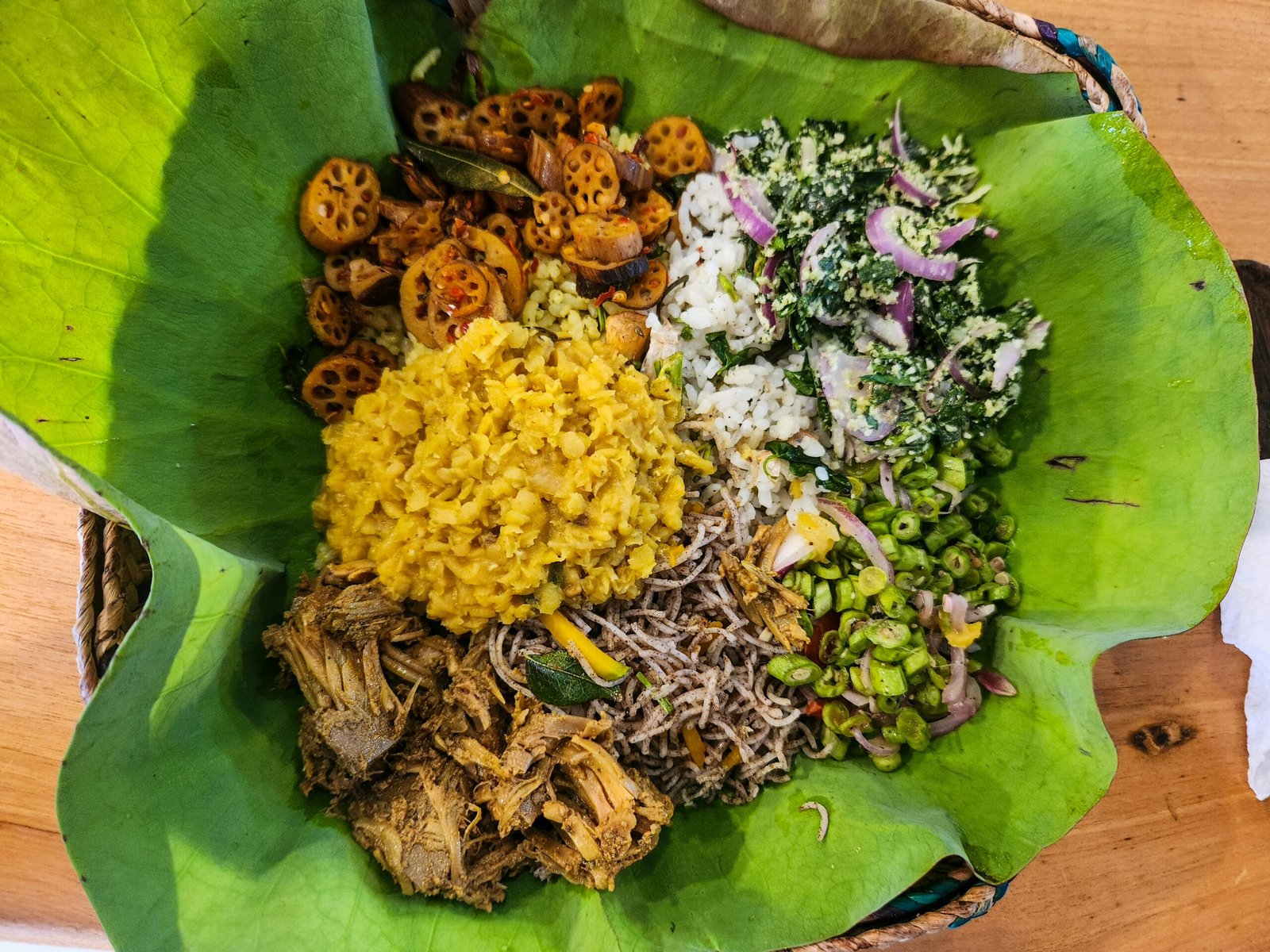
Cevurı is more than just a dish; it’s an experience that tantalizes the taste buds and warms the soul. Rooted in rich tradition, this culinary gem has captured hearts around the globe with its unique flavors and textures. Whether you’re a seasoned foodie or simply curious about new tastes, exploring cevurı opens up a delicious world of possibilities. Imagine vibrant spices mingling with fresh ingredients, all coming together to create something truly special. Join us on this delightful journey as we dive into the history, variations, and secrets behind making authentic cevurı at home!
The History and Origin of Cevurı
Cevurı boasts a rich history rooted in the diverse cultures of Central Asia. Its origins trace back to ancient nomadic tribes who sought ways to preserve meat and vegetables.
As these tribes migrated, they introduced unique cooking methods that influenced regional variations. Cevurı evolved over time, adapting local ingredients and flavors while maintaining its core identity.
In Turkey and neighboring countries, it became a comforting staple at family gatherings. The dish reflects not only culinary traditions but also cultural exchanges across borders.
Its name is derived from “cevap” meaning “to reply,” symbolizing how this dish responds to hunger with warmth and satisfaction. Each bite tells a story of resilience, creativity, and community bonding through shared meals that transcend generations.
Today, cevurı stands as both an homage to its past and a canvas for modern interpretations in kitchens worldwide.
Different Variations of Cevurı
Cevurı comes in many delightful forms, each showcasing regional twists and personal touches. The classic version features tender meat or seafood wrapped in a delicate dough, often seasoned with aromatic herbs.
In some areas, you might find vegetarian variations that substitute traditional proteins with hearty vegetables and legumes. This not only caters to different dietary preferences but also highlights the versatility of cevurı.
Regional spices play a significant role as well. In coastal towns, for instance, seafood cevurı is enhanced with zesty citrus flavors while inland varieties may embrace earthy spices like cumin or paprika.
Street vendors proudly serve their own take on this dish. Each vendor has unique recipes passed down through generations, creating a fascinating tapestry of flavors and textures across cultures.
Popular Ingredients Used in Cevurı
Cevurı is a delightful dish, rich in flavor and history. At its core, the ingredients define its essence.
One of the star components is tender meat. Lamb or chicken adds depth and succulence to each bite. The choice of protein can vary widely based on regional preferences.
Vegetables also play a crucial role. Fresh herbs like parsley and dill brighten up the mix while providing aromatic notes that elevate the dish’s profile.
Spices are essential too, with cumin and paprika often taking center stage. They introduce warmth and complexity, creating a symphony of flavors that dance on your palate.
Don’t forget about grains! Rice or bulgur often serve as the base, soaking up juices from the meat and spices for added richness. Each ingredient contributes to making Cevurı not just a meal but an experience worth savoring at any table.
Traditional vs Modern Preparation Methods
The preparation of Cevurı has evolved over the years, blending age-old traditions with contemporary techniques. Traditionally, cooks relied on simple tools and methods passed down through generations. This craftsmanship often involved marinating ingredients overnight to enhance flavors.
In contrast, modern kitchens embrace technology. Sous-vide cooking or air fryers can streamline the process while maintaining taste and texture. Chefs today experiment with fusion elements that reflect global influences.
Yet, some purists argue that traditional methods capture the essence of Cevurı better than any gadget can. The slow-cooked approach allows for deep flavor development that is hard to replicate quickly.
No matter which method one chooses, both traditional and modern preparations offer unique experiences in savoring this delightful dish. Each approach brings something special to the table—literally!
How to Make an Authentic Cevurı Dish at Home
Creating an authentic Cevurı dish at home is a rewarding experience. Start with fresh ingredients, as quality matters immensely. Gather some tender meat, typically lamb or chicken, and marinate it in yogurt mixed with garlic and spices for several hours.
While the meat absorbs those flavors, prepare your base. Chop fresh vegetables like onions and peppers finely. Sauté them in olive oil until they soften.
Once your marinade time is up, thread the meat onto skewers along with the veggies. Grill them over high heat to achieve that perfect char while keeping everything juicy inside.
Serve your Cevurı hot off the grill with warm pita bread and a side of tangy yogurt sauce for dipping. Fresh herbs like parsley add brightness to this delicious meal.
Each bite will transport you straight to its cultural roots!
Health Benefits of Consuming Cevurı
Cevurı is not just a tasty dish; it also comes with various health benefits that can enhance your well-being. Packed with nutrients, this delicacy often includes fresh vegetables and lean proteins. These ingredients provide essential vitamins and minerals.
One of the standout features of cevurı is its rich flavor profile without excess calories. This makes it a satisfying option for those watching their weight while still wanting to enjoy robust tastes.
Moreover, many variations incorporate spices known for their anti-inflammatory properties. Ingredients like garlic and peppers can boost immunity, promoting overall health.
The combination of wholesome components in cevurı supports heart health as well. The balance of fats from proteins along with fiber-rich veggies helps maintain healthy cholesterol levels.
Eating cevurı regularly could aid digestion too, thanks to the fibrous elements present in the dish. Enjoying this culinary gem not only tantalizes your taste buds but contributes positively to your dietary habits as well.
Where to Find the Best Cevurı in the World
Traveling to Turkey opens a gateway to savoring the most authentic Cevurı. Cities like Istanbul and Gaziantep are culinary havens. These regions boast countless restaurants that have perfected this dish over generations.
In Istanbul, street vendors often serve delightful versions of Cevurı alongside bustling markets. The experience is as much about the atmosphere as it is about taste.
If you venture into Gaziantep, check out local eateries renowned for their traditional methods. Here, chefs take pride in using fresh ingredients sourced from nearby farms.
Beyond Turkey, cities with vibrant Turkish communities—like Berlin or London—offer fantastic adaptations of Cevurı. Local restaurants embrace cultural influences while staying true to classic flavors.
Finding the best Cevurı might require some exploration but each bite will reveal stories woven through time and tradition throughout your journey.
The Growing Popularity of Cev
Cevurı is making waves beyond its traditional roots. People around the world are discovering its unique flavors and textures, leading to a surge in popularity. This culinary gem is not just confined to local eateries; it’s popping up on menus across various restaurants globally.
Food enthusiasts are experimenting with Cevurı, incorporating modern twists while respecting age-old recipes. Social media platforms have played an essential role in this trend, allowing food lovers to share their creations and experiences with a broader audience.
As more people prioritize diverse diets and global cuisines, Cevurı stands out as a delicious option that appeals to both adventurous eaters and those seeking comfort food. Its adaptability ensures that whether you enjoy it at home or dine out, there’s always something new waiting for your taste buds.
If you haven’t yet experienced the delightful world of Cevurı, now is the perfect time to embark on this culinary journey!